When it comes to raising chickens, understanding their maturity timeline is super important. Most chickens begin laying eggs between 5 to 6 months of age, but this can vary depending on the breed. For instance, some breeds, like the Leghorn, might start a bit earlier, while others, like the Orpington, could take a little longer. Knowing this can help you plan for when you might start seeing those lovely fresh eggs!
The first eggs from your hens may be smaller and less consistent than what you'll get later on. This is completely normal! As hens continue to mature, their eggs will become larger and more regular. It typically takes a few weeks for their laying schedule to stabilize, so don’t worry if it takes some time.
Keep an eye on your chickens’ behavior too! Signs of maturity include squatting when you approach them and engaging in extra vocalizations. These can be good indicators that your hens are getting ready to start laying.
Lastly, remember that good nutrition and living conditions can affect how soon your chickens start laying. Ensure they have a balanced diet, access to clean water, and decent living conditions, and you’ll encourage them to lay as early as possible.
Signs of a Hen Ready to Lay
So, you want to know when your chickens are ready to start laying eggs? That's a great question! Timing can vary a bit from bird to bird, but there are definitely some telltale signs to look out for. Let’s dig into what you can expect!
First off, the age of your hen is a big factor. Most breeds start laying between 4 to 6 months old. However, some might begin even earlier, while others could take a bit more time. Keep an eye on their behavior and physical changes as they age.
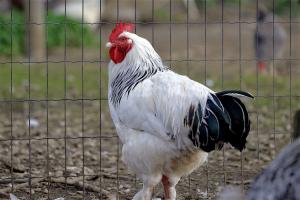
One of the biggest clues is their comb and wattles. When hens reach maturity, these parts of their anatomy will grow larger and become brighter in color. A healthy, vibrant comb indicates that your hen is ready to start laying.
Another sign is when your hens start to "squat." This is pretty cute! If you notice them lowering their bodies when you approach, it's a sign they're preparing for mating and are likely gearing up to start laying. This behavior usually kicks in just a few weeks before they lay their first egg.
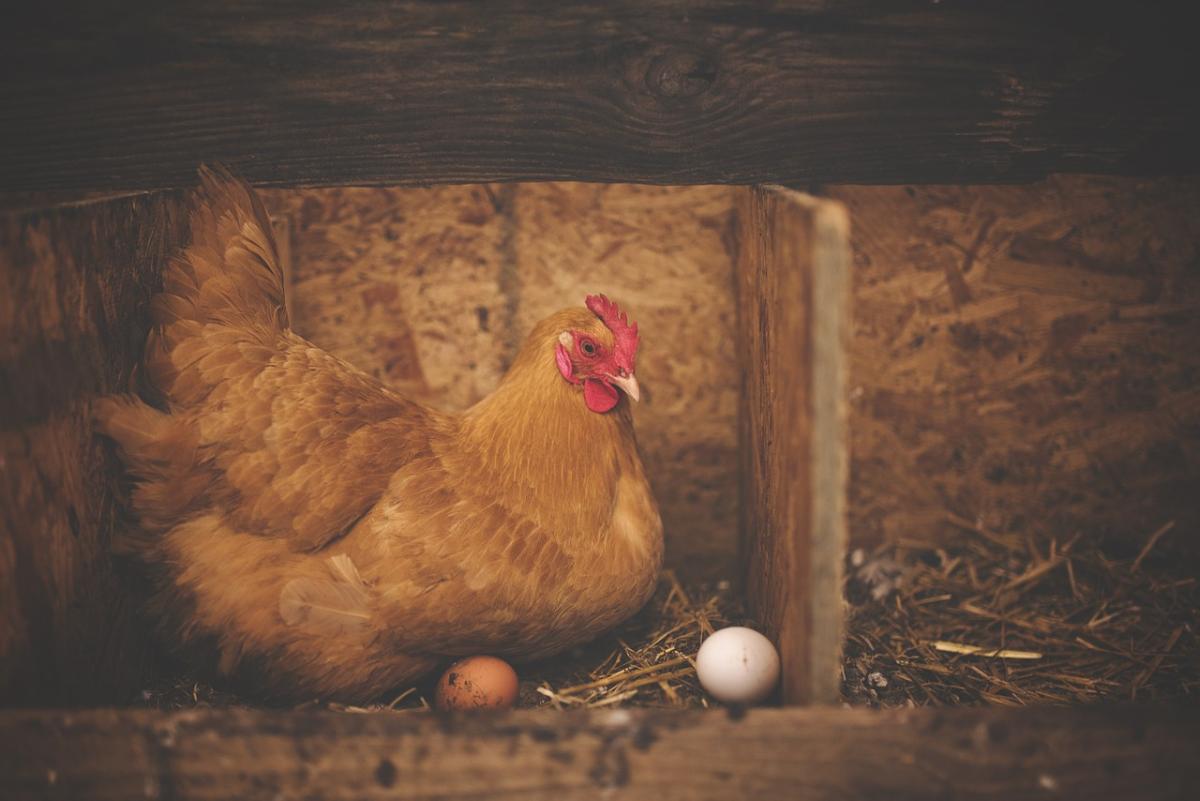
Finally, pay attention to their nesting behavior. When your hens start searching for a cozy spot to settle in, it’s a sure sign they’re getting ready to lay. Setting up a comfortable nesting area can encourage them to lay their eggs in the right place!
Best Breeds for Early Egg Production
When you’re eager to start your own backyard flock, choosing the right breed can make a big difference in how soon you'll see those eggs. Some chicken breeds just can’t wait to start laying! If you're after early egg production, there are a few breeds that are known to get the job done quickly.
1. Leghorn: These girls are famous for their prolific egg-laying. You can expect them to start laying at around 5 months old. Leghorns are hardy and can thrive in various climates, making them a great choice for new chicken owners.
2. Rhode Island Red: Another great option, Rhode Island Reds are not just friendly but also reliable layers. They usually start laying at about 5 to 6 months. Plus, they’re known for being tough and adaptable—perfect for those who might have a few hiccups in their chicken-keeping journey!
3. Sussex: Sussex chickens are delightful, both in personality and egg-laying abilities. They typically start laying at around 5 to 6 months as well, and you can expect large brown eggs. They’re friendly and curious, making them a joy to have around.
Choosing one of these breeds can get you on your way to fresh eggs sooner rather than later. It’s always a good idea to consider each breed’s temperament, care needs, and how they will fit into your flock. Happy chicken-keeping!
Caring for Laying Hens Made Easy
Caring for your laying hens doesn’t have to be complicated! With a little bit of knowledge and a few simple steps, you can keep your feathered friends happy and healthy, which in turn means fresh eggs for you.
First off, make sure they have a comfortable coop. Your hens need a cozy space to lay their eggs. Aim for a clean, dry environment with good ventilation. Add nesting boxes filled with straw or wood shavings to give them a comfy spot where they feel safe and secure. Most hens love having a quiet, dark place to lay their eggs.
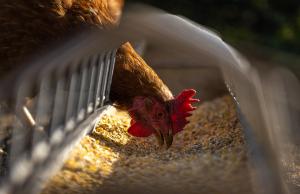
Next, keep their diet in check. Laying hens require a nutritious feed that's high in calcium and protein to produce those tasty eggs. Look for high-quality layer pellets or crumbles, and don’t forget to provide fresh water daily. You can also supplement their diet with kitchen scraps, but steer clear of anything too salty or sugary!
Lastly, regular health checks are essential. Check on your hens daily for any signs of illness or distress. Scrutinize their feathers, eyes, and overall behavior. If something seems off, a quick consultation with a vet experienced in poultry can work wonders. And don’t forget to maintain their living space – keeping the coop clean prevents diseases and pests.