Choosing the right location for your chicken coop is one of the most crucial steps in keeping your flock safe from predators. The area you pick can make a huge difference in how secure your chickens feel and how well they thrive. So, what should you look for in a perfect spot?
First off, consider the natural surroundings. It’s best to avoid placing your coop near dense brush or tall grass where predators like foxes or raccoons could hide. Opt for an open area that has good visibility. This way, your chickens can easily spot any potential threats.
Finally, look at how you can create some natural barriers. Planting shrubs or hedges around the coop can offer an extra layer of defense against curious animals. Just remember to keep a close eye on your coop and adjust the location if you notice any predator activity nearby.
- Secure all Openings and Gaps
When it comes to keeping your chickens safe, securing all openings and gaps in your coop should be your top priority. Predators are sneaky, and they'll find even the tiniest holes to squeeze through. Take a good look around your coop and pinpoint any gaps, whether it's in the walls, floors, or around doors and windows.
Start by checking the following areas:
Don't forget about ventilation! Chickens need fresh air, but make sure any vents are small enough to keep out unwanted visitors. Using hardware cloth instead of regular chicken wire can greatly improve your coop’s defenses.
Lastly, it’s good practice to do routine checks on your coop. Weather and wear can create new gaps over time, so set a reminder to inspect everything every few months. Taking these steps will help ensure your fluffy friends stay safe and sound!
- Add Extra Protection with Fencing
When it comes to keeping your chickens safe from predators, fencing is a must. Not only does it create a barrier, but it also adds that extra layer of security that gives you peace of mind. Let's dive into some effective fencing options that work great for chicken coops.
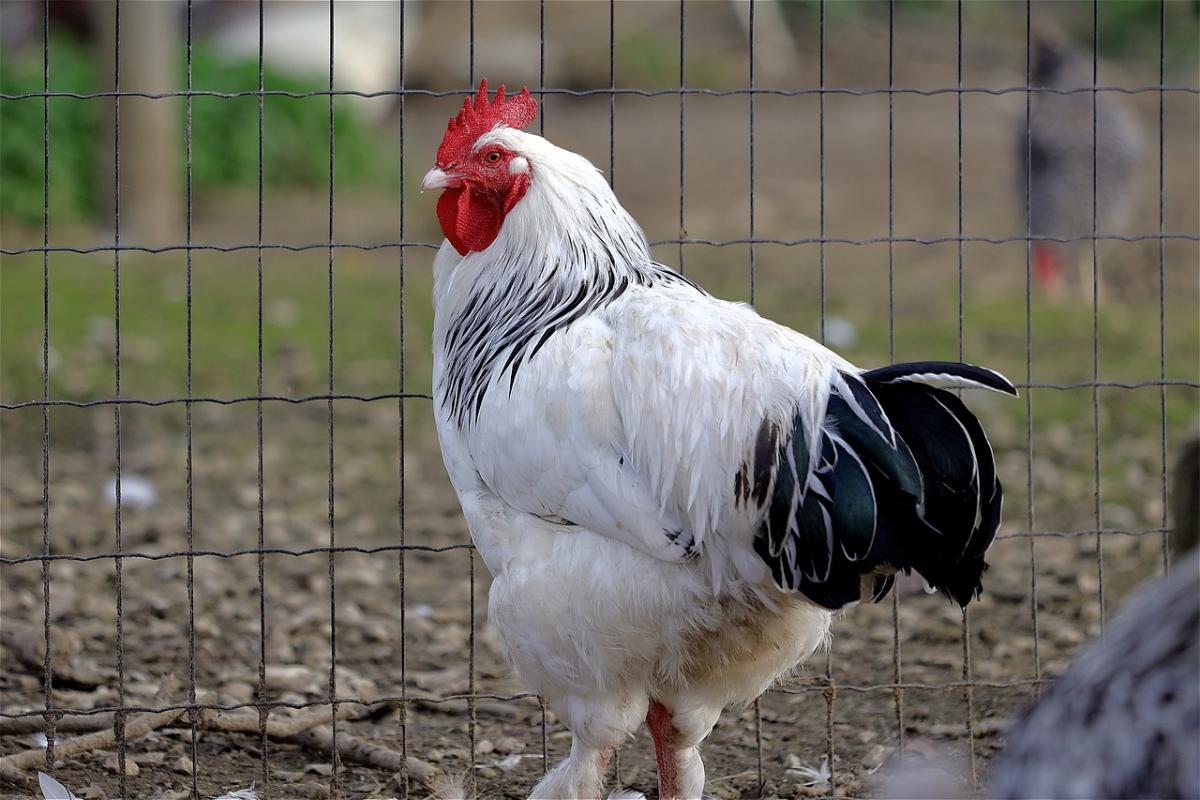
First up, consider using welded wire fencing. It’s sturdy and can withstand attempts by small animals to burrow underneath or push through. Go for at least 4-6 feet high to deter larger predators like raccoons and coyotes. Plus, the smaller holes in the welded wire make it hard for smaller critters to sneak in.
If you're really looking to amp up the protection, think about adding an electric fence. This doesn't have to be complicated or pricey. A simple low-voltage electric fence can be highly effective. Just a little zap teaches intruders to stay away, while your chickens remain unharmed.
Don't forget about covering the top! Predators like hawks and owls can swoop down from above, so a roof or netting can work wonders. It also keeps your chickens safe from unexpected aerial attacks—strengthening your coop from every angle.
Lastly, remember to regularly inspect your fencing. Look for any signs of wear, loose wires, or gaps that could let intruders in. Taking a few minutes for maintenance can save you a lot of heartache down the line!
- Keep the Coop Clean and Tidy
Keeping your coop clean and tidy is essential for the health of your chickens and for predator-proofing your space. A clean environment helps prevent diseases that can attract unwanted visitors, so let’s dive into some simple tips to keep your coop spotless!
Start with a regular cleaning schedule. Aim to clean the coop at least once a week. You can begin by removing old bedding, droppings, and any spilled food. This will not only make it less inviting for pests but also ensure your chickens have a fresh space to roam.
Consider using deep litter bedding. This method involves layering bedding material, like straw or wood shavings, which helps absorb moisture and odors. With some occasional turning, you create a natural composting environment that keeps things neat and minimizes the smell—definitely a win-win!
Don’t forget to inspect your coop while you clean. Look out for any signs of wear and tear or potential entry points for predators. Seal up any holes, and reinforce weak spots. Keeping things tidy helps you spot these issues early on, making it easier to keep your feathered friends safe.